


The history of Château Maison Noble St Martin
14th and 15th centuries
The castle was probably destroyed during the siege of Castelmoron led by Derby’s English soldiers in 1345. Its remains then passed to the Lord of La Morrinière.
The name Maison Noble refers to the house that belonged to the nobleman of the time. The estate appears to have belonged to the Chalon family from 1491. At the end of the 15th century, Anne-Louise d’Albret married Jean de Chalon and Maison Noble became a separate fiefdom.
16th and 17th centuries
In 1580, during the absence of Lord de Meslon, Maison Noble was looted and burned; only the cellars survived. The estate later passed to Pierre and Charles de Chalon and remained in the family until the French Revolution.
From 1632 the estate belonged to Ezechiel de Chalon. The vaulted cellars, terrace and quadrangular pavilion date from the early 17th century. Further work is recorded by the cellar keystone dated 1685.
18th and 19th centuries
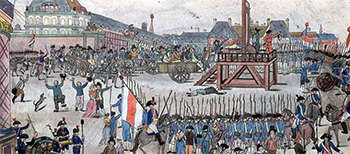
At the time of the French Revolution the château was still renowned for its architecture and grandeur. Jean Charles de Chalon’s estate was seized and sold as national property. In 1793 the building was razed again, while the cellars survived.
The sale took place in February 1794, when the estate covered around 140 hectares. Jean Chanut built the manor house in its present form around 1800.
During the 19th century Maison Noble was progressively dismantled, then partly rebuilt with the remaining stones. Dry white wine dominated until red wine appeared at the beginning of the 20th century.
20th century
Pierre Pauly acquired Maison Noble in 1950. After difficult years, Bordeaux vineyards began their revival in the early 1960s. Production evolved from sweet Bordeaux to red Bordeaux and oenology became increasingly important.
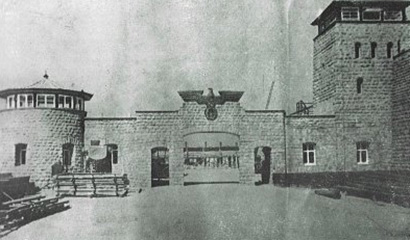
In the 1970s the estate belonged to Roger Pupovac, a former prisoner of the Mauthausen concentration camp. Rosé made by the saignée method followed in the 1980s. During the 1990s he worked with an oenologist and sales director to introduce the wines to a wider public.
Since 1997
Michel Pelisse purchased Château Maison Noble St Martin in 1997. Passionate about the land, stone and wine, he spent more than ten years restoring the estate’s architectural nobility.
He discovered the underground passages, rebuilt one of the towers lost during the Revolution and restored the building stone by stone with dedicated craftspeople and artists.
Today, life and work at Château Maison Noble St Martin continue in respect of its history. We are proud to carry this heritage forward and pass on our shared passion.